How To Tell If Mushrooms Are Bad With 8 Clear Warning Signs

Mushrooms are one of the quickest foods to lose their freshness. One day they look firm and clean, and a few days later they may become slimy, soft, or develop an unpleasant smell. Because they contain a lot of water and have a delicate structure, even small storage mistakes can shorten their shelf life. That is why knowing how to tell if mushrooms are bad is important before adding them to your favorite recipe.
Spoiled mushrooms are usually easy to recognize if you know what to look for. Their appearance, texture, smell, and even the amount of moisture on the surface can tell you whether they are still safe to eat or should be thrown away. While a few harmless changes, such as slight wrinkling, may only affect quality, signs like slime, mold, or a sour odor usually mean the mushrooms have spoiled.
Over the years, I have found that mushrooms often fool people because they do not always look obviously rotten. I have opened a container that looked perfectly fine from the top, only to discover sticky mushrooms hiding underneath. That is why I never rely on appearance alone. A quick smell and gentle touch reveal far more than a quick glance.
In this guide, you’ll learn the clearest signs that mushrooms have gone bad, how to tell if mushrooms are bad in the fridge or after cooking, what happens if you eat spoiled mushrooms, and the best ways to keep fresh mushrooms from spoiling too soon. By the end, you’ll know exactly when mushrooms are still worth cooking and when it’s safer to throw them away.
How to Tell If Mushrooms Are Bad
Fresh mushrooms have a firm texture, a smooth surface, and a mild earthy smell. As they begin to age, these qualities gradually change. Some changes, like a little drying around the edges, are mostly cosmetic and don’t mean the mushrooms are unsafe to eat. Others, such as slime, mold, or a sour odor, are clear signs that it’s time to throw them away.
Quick-glance checklist: if your mushrooms show any of these, it’s time to toss them:
- Slimy or sticky surface, a clear sign bacteria have taken over
- Dark, soft spots that go beyond light bruising
- Visible mold, any fuzz, in any color
- Sour, ammonia-like, or “off” smell
- Shriveled and rubbery texture with no bounce left
Fresh vs. Fading vs. Bad: Know Where Your Mushrooms Stand
Here’s something most guides skip: “bad” isn’t a single moment, it’s a spectrum. Mushrooms don’t go from perfect to inedible overnight. They move through stages, and knowing where yours sits on that scale changes what you should actually do with them.
Fresh: Firm, dry to the touch, smooth caps, and a mild earthy smell. No question here, use them however you like, raw or cooked.
Fading: Slightly wrinkled, a bit spongy, maybe starting to darken around the edges. Not their best self, but still safe. This is the “cook them into something” stage, soups, sauces, stir-fries. Heat and other ingredients easily mask the softer texture.
Bad: Slimy, visibly moldy, foul-smelling, or mushy all the way through. No amount of cooking saves this stage, this is compost territory.
Thinking of it this way takes the guesswork out. Instead of panicking the moment a mushroom looks a little tired, you can ask: is this fading, or is this actually bad? That one question saves a lot of unnecessary food waste.
Bad or Poisonous? Two Different Problems
This mix-up trips people up more than anything else, so let’s clear it up plainly: a “bad” mushroom and a “poisonous” mushroom are two completely different situations.
A bad mushroom is one that started out safe, a store-bought button, cremini, or portobello, for example and has simply broken down over time due to bacteria, moisture, and age. That’s a storage and freshness issue.
A poisonous mushroom is a different problem entirely. This usually applies to wild-foraged mushrooms, where the danger isn’t spoilage, it’s misidentifying a toxic species as an edible one in the first place. A poisonous mushroom can look perfectly fresh and still be dangerous, because the risk isn’t decay, it’s the species itself.
So if you bought your mushrooms from a grocery store or grew them from a kit, spoilage is really the only thing you need to watch for, the checks in this guide have you covered. But if you’re foraging in the wild, freshness checks alone won’t protect you; that calls for proper species identification, ideally with an expert or a reliable field guide, before anything goes near a pan.
The 3-Sense Test: Look, Touch, Smell
You don’t need any special tools to check a mushroom’s freshness, just your own senses, used in the right order. Here’s how to run through it in under 10 seconds.
1. Look first.
Scan the surface for discoloration, dark spots, bruising that’s spread rather than a small nick, or a grayish-brown tint replacing the original cream or white color. A little bruising from handling is normal and harmless. Widespread darkening is not.
2. Touch second.
Run your fingers gently over the cap. Fresh mushrooms feel dry and firm, almost velvety. If you feel any sliminess or stickiness, that’s bacteria at work, and it’s one of the clearest red flags there is. On the other end, if the mushroom feels tough, rubbery, or shriveled, it’s simply lost moisture, not necessarily dangerous, but not ideal either.
3. Smell last.
Fresh mushrooms have a light, earthy, slightly nutty smell, pleasant and mild. If you catch anything sour, ammonia-like, or fermented, trust your nose immediately. Smell is the first sense to pick up spoilage, even before your eyes or fingers notice anything different.
Here’s the simple rule: one questionable sign (like slight wrinkling) usually just means “use soon.” Two or more signs together, especially slime plus smell means it’s time to let go.
8 Signs Mushrooms Have Gone Bad
A Slimy or Sticky Surface
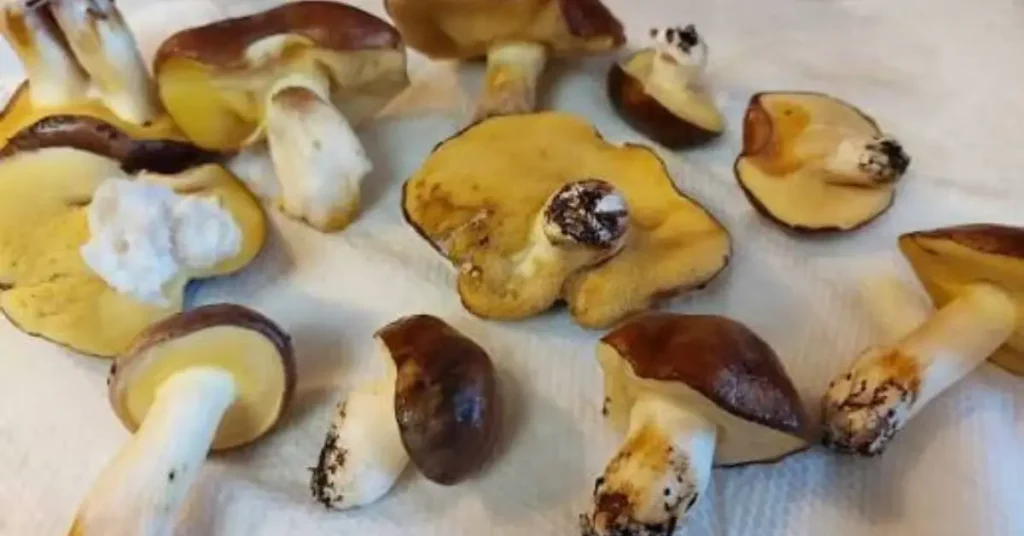
A slimy coating is one of the clearest signs that mushrooms have started to spoil. Fresh mushrooms should feel dry or only slightly damp. If they leave a sticky residue on your fingers or feel slippery when you pick them up, bacteria have started breaking down the mushroom’s surface.
This happens when mushrooms are stored for too long or kept in an environment with too much moisture. Plastic packaging can trap condensation, creating the perfect conditions for slime to develop. Even mushrooms that looked fresh when you bought them can become slimy within a few days if moisture builds up inside the container.
A little moisture is not the same as slime. Fresh mushrooms naturally release some water, especially after being refrigerated. If they feel cool with a small amount of surface moisture but remain firm and smell fresh, they are still safe to use. The texture should never feel sticky, greasy, or coated with a slippery film.
If slime is the only change and the mushrooms have just started to lose freshness, some people choose to cook them immediately. However, once mushrooms become noticeably slimy, their quality has already declined. If the sliminess is accompanied by a sour smell, soft spots, discoloration, or mold, they should be discarded.
As a rule, I never try to rinse slime away and use the mushrooms anyway. Once that sticky layer appears, it means spoilage has already begun, even if the mushrooms still look acceptable from a distance.
They Smell Sour, Fishy, or Unpleasant
Fresh mushrooms have a mild earthy smell that is clean and natural. Some varieties have a slightly nutty aroma, but they should never smell sour, rotten, or overly strong. If the smell makes you hesitate, that’s a good reason not to eat them.
As mushrooms begin to spoil, bacteria and other microorganisms break down their tissues. This process creates unpleasant odors that become stronger over time. Depending on the stage of spoilage, the mushrooms may smell sour, musty, fishy, fermented, or even slightly like ammonia. These odors are a clear sign that they are no longer fresh.
The smell test is especially helpful when mushrooms don’t show visual signs of spoilage. Sometimes they still look firm, but an off odor reveals that they have already started to break down. This is common with mushrooms stored in tightly sealed containers, where moisture and trapped air speed up spoilage.
Keep in mind that mushrooms can absorb odors from other foods in the refrigerator. If they have picked up the smell of onions or garlic stored nearby, that doesn’t necessarily mean they have gone bad. The concern is a sour, rotten, or fermented smell coming from the mushrooms themselves.
The Mushrooms Feel Soft or Mushy
Fresh mushrooms should feel firm and hold their shape when you gently press them. Different mushroom varieties have different textures, they should never feel waterlogged, overly soft, or fall apart in your hand. As mushrooms age, they gradually lose their firm structure as their cells begin to break down.
A little softness doesn’t always mean the mushrooms are unsafe. Older mushrooms may lose some of their firmness after several days in the refrigerator, especially if they have started to dry out. If they still smell fresh, have no slime or mold, and are only slightly soft, they can often be cooked the same day in soups, sauces, or stir-fries.
Mushy mushrooms are a different story. If they collapse when you squeeze them lightly or feel soggy and spongy instead of firm, spoilage has already progressed. This usually happens because excess moisture has encouraged bacteria to grow, causing the mushroom’s structure to deteriorate from the inside.
Pay close attention to the stem as well as the cap. Sometimes the cap still feels reasonably firm while the stem has become soft and rubbery. If either part feels mushy, inspect the mushroom carefully for other warning signs such as slime, discoloration, or an unpleasant odor.
Mold Is Growing
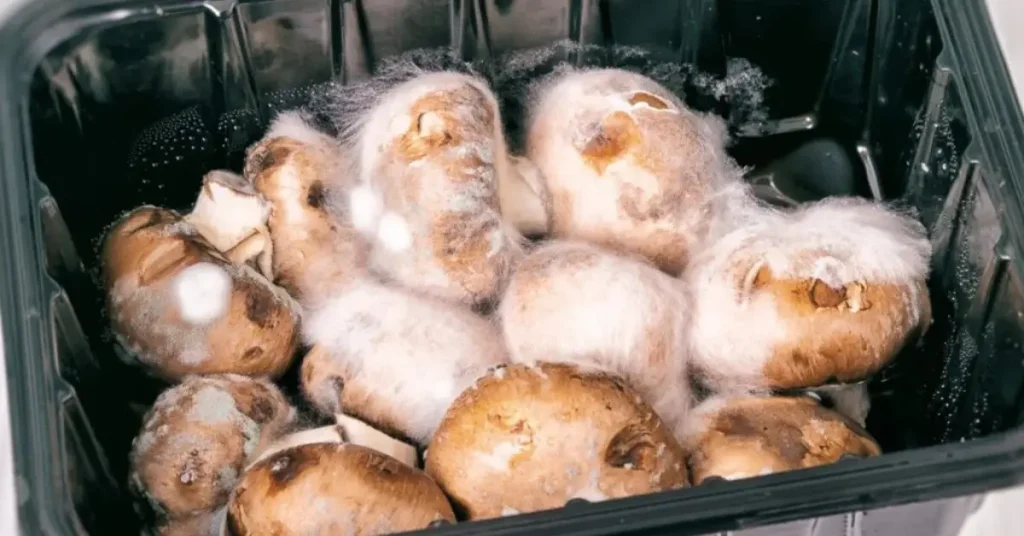
Mold is one of the easiest signs to recognize, and it means the mushrooms should be thrown away immediately. Unlike slight bruising or minor drying, mold is never something you should trim off and ignore. Once mold appears on mushrooms, it has often spread deeper than what you can see on the surface.
Mold appear as fuzzy patches or powdery spots in colors such as white, green, blue, or black. It starts in small areas where moisture has collected, then spreads quickly through the package. If one mushroom is moldy, inspect the rest carefully. In many cases, the entire container has been exposed to mold spores, especially if the mushrooms have been stored together for several days.
Some people assume they can simply cut away the moldy section and cook the rest. That approach may work with hard foods like cheeses, but mushrooms are too soft and porous.
Dark Spots or Heavy Discoloration
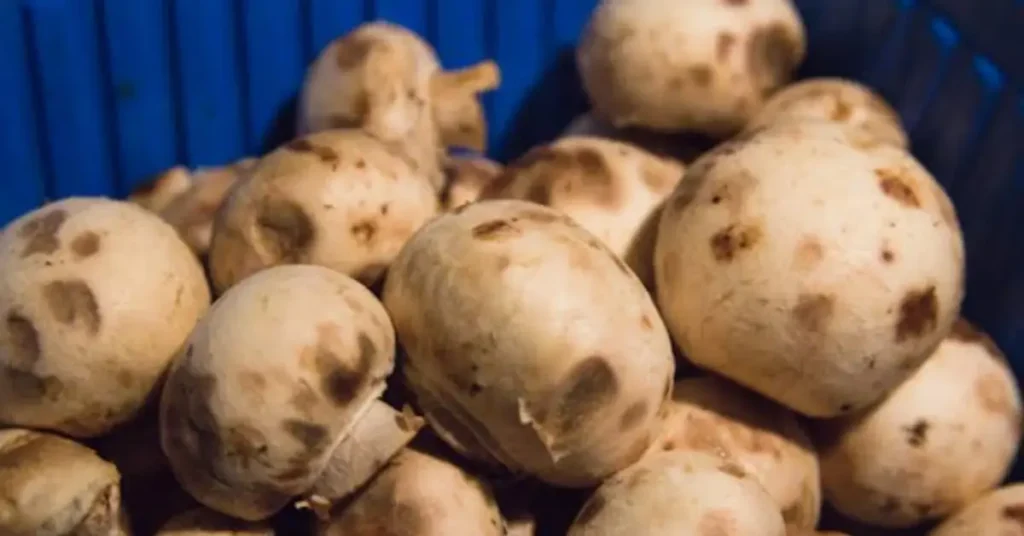
Not every dark spot means a mushroom has gone bad. Fresh mushrooms can develop small bruises during harvesting, transportation, or handling. These minor marks are harmless and only affect the mushroom’s appearance. If the mushroom is still firm, dry, and smells fresh, a few light brown spots are nothing to worry about.
The concern is when the discoloration becomes widespread or continues to worsen. Mushrooms that have turned dark brown, gray, or almost black across large areas are usually well past their best. These color changes occur as the mushroom tissues break down and moisture begins to accumulate, creating favorable conditions for spoilage.
See how the discoloration looks. A few isolated marks on the cap are very different from mushrooms that appear dull, blotchy, or unevenly dark over most of their surface. If the dark areas are accompanied by slime, soft texture, or an unpleasant smell, the mushrooms should be discarded immediately.
Different mushroom varieties also age differently. White button mushrooms develop gray or brown patches as they lose freshness, while cremini and portobello mushrooms naturally have darker caps, making spoilage a little harder to spot.
They Look Wrinkled or Shriveled
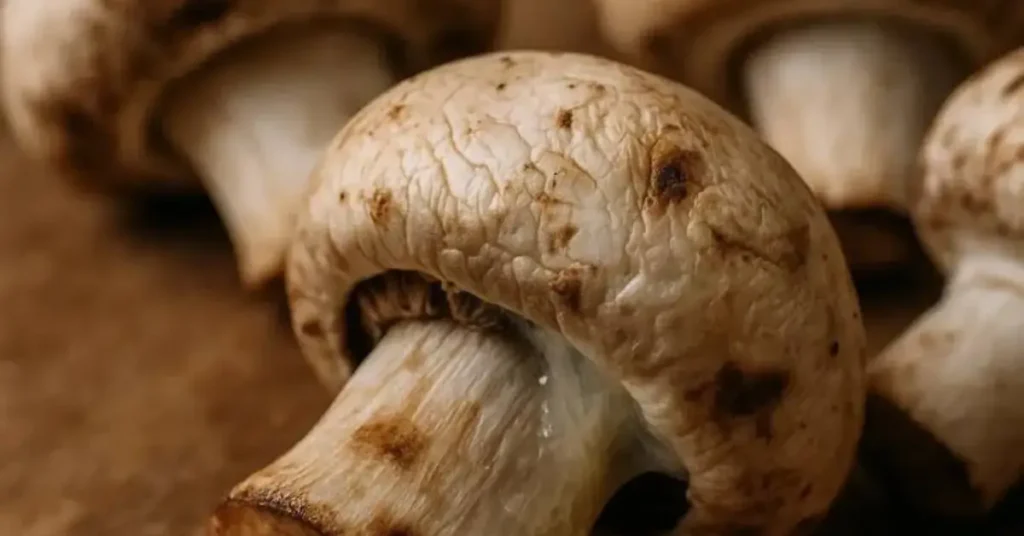
Mushrooms naturally lose moisture as they age, so it’s normal for them to become slightly less plump after several days in the refrigerator. A few wrinkles on the cap or around the edges don’t mean the mushrooms have spoiled. In many cases, they have simply dried out and lost some of their original texture.
If the mushrooms are still firm, smell fresh, and have no slime or mold, they are usually safe to cook. Slightly shriveled mushrooms are useable in soups, pasta sauces, casseroles, and other cooked dishes where appearance is less important.
However, excessive shriveling is a different matter. Mushrooms that have become thin, leathery, or heavily shriveled have lost much of their moisture and quality. If heavy shriveling is combined with softness, sticky spots, or an unpleasant smell, the mushrooms have likely spoiled and should be discarded.
Wrinkling is especially common when mushrooms are stored uncovered or in a refrigerator with very low humidity. Unlike slime, which is caused by excess moisture, shriveling happens because the mushrooms lose too much water over time. That’s why proper storage is important, it helps prevent both problems.
They Are Leaking Liquid
Fresh mushrooms naturally contain a lot of water, but they should not be sitting in a pool of liquid. If you open the container and notice water collecting at the bottom or mushrooms that look wet and soaked, it’s a sign they have started to break down.
In a damp environment, bacteria grow more quickly and speed up spoilage. The longer mushrooms sit in this liquid, the faster their texture changes from firm to soft and eventually slimy.
Leaking liquid is accompanied by other warning signs. You may notice a sticky surface, darkened caps, a sour smell, or soft stems. When several of these signs appear together, it’s a strong indication that the mushrooms have spoiled and should not be eaten.
They’ve Been Stored for Too Long
If mushrooms don’t show obvious signs of spoilage, storage time still matters. Mushrooms are highly perishable, and their quality begins to decline soon after harvest. As they sit in the refrigerator, bacteria and natural enzymes continue to break them down, even when they look reasonably fresh.
How long mushrooms last depends on whether they are whole, sliced, or cooked. Whole mushrooms usually stay fresh longer because their protective outer surface remains intact. Once mushrooms are sliced, more of the flesh is exposed to air and moisture, causing them to spoil much faster.
Here’s a general guideline for refrigerated mushrooms:
| Mushroom Type | Typical Refrigerator Shelf Life |
|---|---|
| Whole fresh mushrooms | 5–7 days |
| Sliced mushrooms | 3–5 days |
| Cooked mushrooms | 3–4 days |
| Leftover mushroom dishes | 3–4 days |
If they were left on the kitchen counter for several hours, exposed to warm temperatures, or repeatedly moved in and out of the fridge, their shelf life may be much shorter.
Whenever you’re unsure, don’t rely on the calendar alone. Check the mushrooms for slime, off odors, soft texture, mold, or discoloration before cooking them. If the storage time has already passed and you notice one or more of these warning signs, it’s safest to throw them away.
How to Tell If Mushrooms Are Bad in the Fridge
Refrigeration slows spoilage, but it doesn’t stop it. Mushrooms continue to age even when they’re kept cold, and the way they’re stored has a big impact on how long they stay fresh. A package of mushrooms placed directly into the refrigerator can spoil fast if excess moisture becomes trapped inside.
The first thing to check is the container. If you notice heavy condensation under the plastic wrap or water collecting at the bottom of the package, the mushrooms have been sitting in too much moisture. This damp environment encourages bacteria to grow and often leads to slime, soft spots, and unpleasant odors within a few days.
Next, inspect the mushrooms one by one instead of looking only at the top layer. Moisture settles at the bottom of the container, so the mushrooms underneath spoil first. Lift them gently and check for sticky surfaces, mushy stems, dark discoloration, or any signs of mold. It’s common for only a few mushrooms to spoil at first before the rest begin to deteriorate.
Smell is another reliable indicator. Fresh refrigerated mushrooms should still have their mild earthy aroma. If opening the container releases a sour, musty, or fermented smell, they have likely gone bad.
Storage time is also important. Whole mushrooms stay fresh in the refrigerator for about 5 to 7 days, while sliced mushrooms usually last 3 to 5 days because their exposed surfaces lose moisture and spoil more quickly. If your mushrooms have been sitting in the fridge longer than that, inspect them carefully before using them rather than assuming they’re still safe.
One habit that has helped me waste fewer mushrooms is transferring them from the original plastic package into a paper bag as soon as I get home. The paper absorbs excess moisture while allowing air to circulate, which helps keep the mushrooms dry for longer.
How to Tell If Mushrooms Are Bad After Cooking
Cooked mushrooms don’t last as long as many people think. Once they’ve been heated and mixed with other ingredients, they become even more vulnerable to bacterial growth if they’re left at room temperature or stored improperly.
One of the first signs that cooked mushrooms have gone bad is a change in smell. Freshly cooked mushrooms have a rich, earthy aroma. If leftovers develop a sour, fermented, or unpleasant odor after a few days in the refrigerator, they should be discarded. An off smell is one of the most reliable indicators that the mushrooms are no longer safe to eat.
Texture is another important clue. Cooked mushrooms are naturally softer than raw ones, but they should never become slimy or sticky. If the sauce feels overly thick and sticky, or the mushrooms are coated in a slippery film, spoilage has started. Likewise, mushrooms that become excessively mushy or begin falling apart in a watery liquid are best thrown away.
Take a close look at the color as well. Darkening after cooking is normal, but any fuzzy mold, unusual discoloration, or bubbling that wasn’t there before is a warning sign. Never scrape mold off cooked mushrooms and eat the rest. Once mold appears, the entire dish should be considered unsafe.
Leftover cooked mushrooms should be refrigerated within 2 hours of cooking in a shallow, airtight container so they cool quickly. Under normal refrigeration, they’re best eaten within 3 to 4 days. If they’ve been placed in the refrigerator for longer than that, it’s safer to discard them, even if they don’t show obvious signs of spoilage.
How to Tell If Sliced Mushrooms Are Bad
Sliced mushrooms spoil faster than whole mushrooms because more of their surface is exposed to air and moisture. Once the protective outer layer is cut, the flesh begins to lose moisture more quickly and becomes more vulnerable to bacteria. That’s why pre-sliced mushrooms have a much shorter shelf life than whole ones.
The easiest sign to notice is a sticky or slimy texture. Fresh sliced mushrooms should feel slightly moist but never slippery. If the slices stick together in clumps or leave a slimy residue on your fingers, they have started to spoil and should be discarded.
Look closely at the edges of each slice. Fresh mushrooms have clean, firm edges, while older slices often become dark, dry, or curled. A little browning from exposure to air is fairly common, but widespread discoloration combined with softness or moisture is a warning sign that freshness has declined.
Important thing is the smell. Sliced mushrooms should still have the same mild earthy aroma as whole mushrooms. If you see a sour, fermented, or unpleasant odor, they are no longer safe to eat, regardless of how they look.
How to Know If White Mushrooms Are Bad
White button mushrooms are the most commonly purchased mushrooms, but they can also be tricky to judge as they age. Unlike darker varieties such as cremini or portobello, changes in color are much easier to notice.
Fresh white mushrooms should have a bright white to light cream color with a smooth, firm surface. Small brown marks or light bruises can happen during harvesting and transportation and are usually nothing to worry about. If the mushrooms are still firm, dry, and smell fresh, these minor blemishes won’t affect their safety or flavor.
As white mushrooms begin to spoil, their appearance changes. The caps turn dull gray or develop widespread brown patches instead of a few isolated spots. At the same time, the surface become sticky and the mushrooms lose their firm texture. These changes indicate that the mushrooms are well past their peak freshness.
The smell is as important as the color. Even if white mushrooms still look fairly clean, a sour, fishy, or fermented odor means they have started to spoil. If they feel slimy, mushy, or have visible mold, they should be discarded immediately regardless of their color.
It’s also worth checking underneath the cap. As white mushrooms mature, the gills naturally darken from pale pink to brown. This is a normal part of aging and doesn’t mean the mushrooms are bad. If dark gills are accompanied by slime, soft texture, or an unpleasant smell, the mushrooms have spoiled.
Can You Eat Slightly Old Mushrooms?
Mushrooms that are a few days old in the refrigerator doesn’t mean they belong in the trash. As mushrooms age, they naturally lose some freshness before they actually spoil.
Mushrooms that are slightly wrinkled, a little less firm, or have a few small brown spots are still safe if they pass the smell and texture test. They should still have a mild earthy aroma, feel mostly firm when gently pressed, and show no signs of slime, mold, or excessive moisture. They may not be the best choice for a fresh salad but they are good to use in cooked dishes like mushroom soup, pasta sauces, stir-fries, and casseroles.
Some changes should never be ignored. If the mushrooms feel sticky, develop a slimy coating, smell sour or fermented, or have become mushy and waterlogged, they have likely started to spoil. Cooking won’t reverse these changes or make spoiled mushrooms safe to eat. Heat can destroy many bacteria, but it may not eliminate harmful toxins that some bacteria produce as food spoils.
If you’re still unsure, ask yourself a few simple questions before using them:
| Check | Safe to Cook? |
|---|---|
| Slightly wrinkled but firm | ✅ Usually yes |
| A few small bruises | ✅ Usually yes |
| Mild earthy smell | ✅ Yes |
| Slimy or sticky surface | ❌ No |
| Sour or unpleasant odor | ❌ No |
| Mold growth | ❌ No |
| Mushy or waterlogged texture | ❌ No |
When I have mushrooms that are just starting to look a little tired, I try to use them the same day in a cooked recipe rather than letting them sit another day or two.
What Happens If You Eat Spoiled Mushrooms?

Eating spoiled mushrooms can cause foodborne illness. The severity depends on how badly the mushrooms have spoiled and how much eaten. Never ignore obvious warning signs like slime, mold, or a sour smell.
The most common symptoms of eating spoiled mushrooms affect the digestive system. These symptoms appear within a few hours but can sometimes take longer, depending on the type of bacteria involved and the person’s overall health.
Common symptoms include:
- Nausea
- Vomiting
- Diarrhea
- Stomach cramps
- Bloating
- Mild fever in some cases
For most healthy adults, symptoms improve within a day or two with rest and plenty of fluids. However, severe vomiting or diarrhea can lead to dehydration, especially in young children, older adults, pregnant women, and people with weakened immune systems. These are generally more vulnerable to foodborne illnesses and should be especially cautious about eating mushrooms that have spoiled.
It’s also important to understand that spoiled mushrooms are different from poisonous wild mushrooms. Store-bought mushrooms become unsafe because bacteria and microorganisms grow as they spoil. Poisonous wild mushrooms contain natural toxins that are present even when the mushrooms are fresh. The two situations are completely different, although both can make you seriously ill.
If you accidentally eat mushrooms that later seem spoiled, don’t panic. Pay attention to how you feel over the next several hours. Drink plenty of water to stay hydrated and avoid eating heavy meals if your stomach feels upset. If you develop severe abdominal pain, persistent vomiting, bloody diarrhea, a high fever, difficulty breathing, confusion, or symptoms that don’t improve, seek medical attention immediately.
How Long Do Mushrooms Last?
Mushrooms don’t stay fresh for very long, even when they’re refrigerated. They contain so much moisture, they begin losing quality soon after harvest. How long they last depends on the type of mushroom, whether they’re whole or sliced, and how they’re stored. Proper storage can add a few extra days of freshness, but it won’t stop the natural aging process.
Whole mushrooms generally last the longest because their outer surface remains intact. Sliced mushrooms have much more exposed flesh, so they spoil faster. Cooked mushrooms have the shortest shelf life because heat changes their structure and makes them more susceptible to bacterial growth once they’ve cooled.
Here’s a general guide to how long mushrooms last when stored in the refrigerator.
| Mushroom Type | Typical Refrigerator Shelf Life |
|---|---|
| Whole white button mushrooms | 5–7 days |
| Whole cremini mushrooms | 5–7 days |
| Whole portobello mushrooms | 5–7 days |
| Shiitake mushrooms | 7–10 days |
| Oyster mushrooms | 3–5 days |
| Enoki mushrooms | 5–7 days |
| Sliced mushrooms | 3–5 days |
| Cooked mushrooms | 3–4 days |
These are average storage times, not expiration guarantees. Fresh mushrooms stored correctly may stay in good condition for a little longer. Always check their appearance, texture, and smell before using them, even if they’re still within these timeframes.
Several factors can shorten a mushroom’s shelf life, including:
- Storing them in sealed plastic containers with trapped moisture.
- Washing them before refrigeration.
- Leaving them at room temperature for several hours.
- Keeping them next to fruits that release ethylene gas, such as apples or bananas.
- Frequent temperature changes from repeatedly taking them in and out of the refrigerator.
I’ve noticed that mushrooms bought from busy grocery stores last longer because they’re usually fresher when they reach the shelf.
How to Store Mushrooms So They Stay Fresh Longer
This is simple: keep them cool, dry and able to breathe.
The first thing to avoid is leaving mushrooms in the sealed plastic packaging they come in from the grocery store. This packaging protects them during transport, it also traps condensation.
A better option is to transfer the mushrooms to a brown paper bag as soon as you get home. Paper absorbs excess moisture while allowing air to circulate, helping the mushrooms stay dry without drying them out completely.
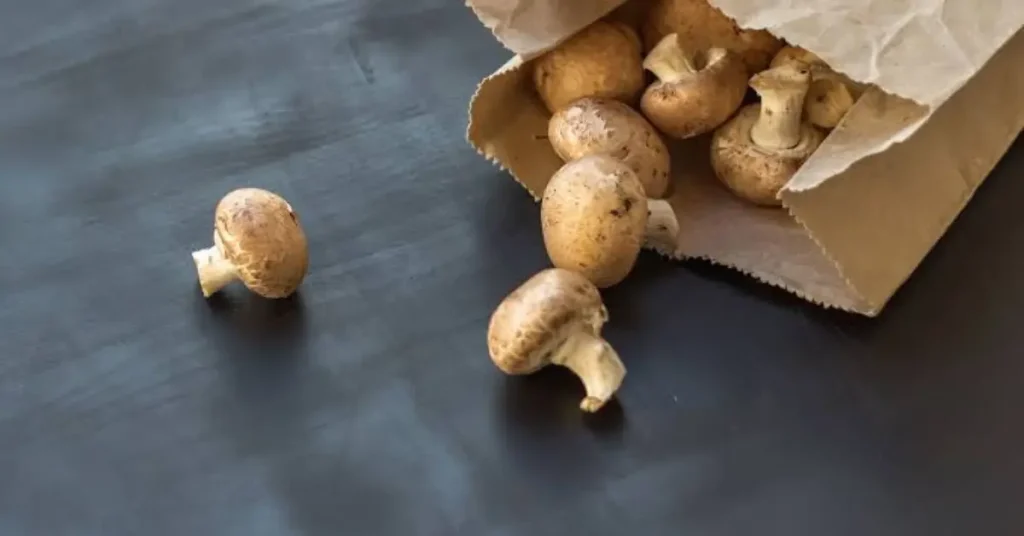
If you notice the mushrooms releasing a little extra moisture, placing a dry paper towel inside the bag can help absorb it and keep the mushrooms fresher for longer.
Store the paper bag in the main compartment of the refrigerator rather than the coldest or dampest areas. Mushrooms keep best at a consistent refrigerator temperature and should be kept away from foods that produce a lot of moisture. They should also be stored away from fruits like apples, bananas, and pears, which release ethylene gas that can speed up aging.
Another common mistake is washing mushrooms before storing them. Although it may seem convenient, washing adds extra moisture that encourages spoilage. Instead, wait until you’re ready to cook them. At that point, gently wipe away dirt with a damp paper towel or give them a quick rinse and dry them immediately before use.
Over the years, I’ve found that one simple habit makes the biggest difference: I move mushrooms into a paper bag the same day I bring them home. It takes less than a minute, but they almost always stay firmer and drier than when I leave them in the original plastic container.
Can You Freeze Mushrooms?
Yes, mushrooms freeze well, but they should be prepared properly first. Remember, freezing won’t improve mushrooms that have already started to go bad. If they’re slimy, moldy, or have an unpleasant smell, they should be discarded instead of frozen.
For the best results, freeze mushrooms while they’re still fresh. Firm mushrooms with no signs of spoilage will retain much more of their flavor and texture after thawing than mushrooms that are already past their prime.
Some people freeze raw mushrooms, cooking them first usually produces better results. Sautéing or blanching helps preserve their texture and slows down the natural enzyme activity that can make frozen mushrooms become mushy over time. Once they’ve cooled completely, place them in freezer-safe bags or airtight containers, removing as much air as possible before sealing.
Here’s a quick comparison of the best freezing methods:
| Method | Best For | Storage Time |
|---|---|---|
| Sauté then freeze | Most mushroom varieties | Up to 12 months |
| Blanch then freeze | Whole or sliced mushrooms | Up to 12 months |
| Freeze raw | Firm mushrooms only | Up to 6–8 months |
When you’re ready to use frozen mushrooms, there’s usually no need to thaw them first. They can go straight from the freezer into soups, stews, pasta sauces, casseroles, or stir-fries. Frozen mushrooms release extra moisture as they cook, they’re not the best choice for fresh salads or recipes where a firm texture is important.
Bad Mushrooms vs Poisonous Mushrooms
Spoiled mushrooms and poisonous mushrooms are the same thing? No.
Bad mushrooms
Mushrooms that were once safe to eat but have spoiled over time. Store-bought mushrooms, such as white button, cremini, portobello, and shiitake, become unsafe when bacteria and other microorganisms begin breaking them down. Poor storage, excess moisture, and simply keeping them for too long are the most common reasons they spoil.
Poisonous mushrooms
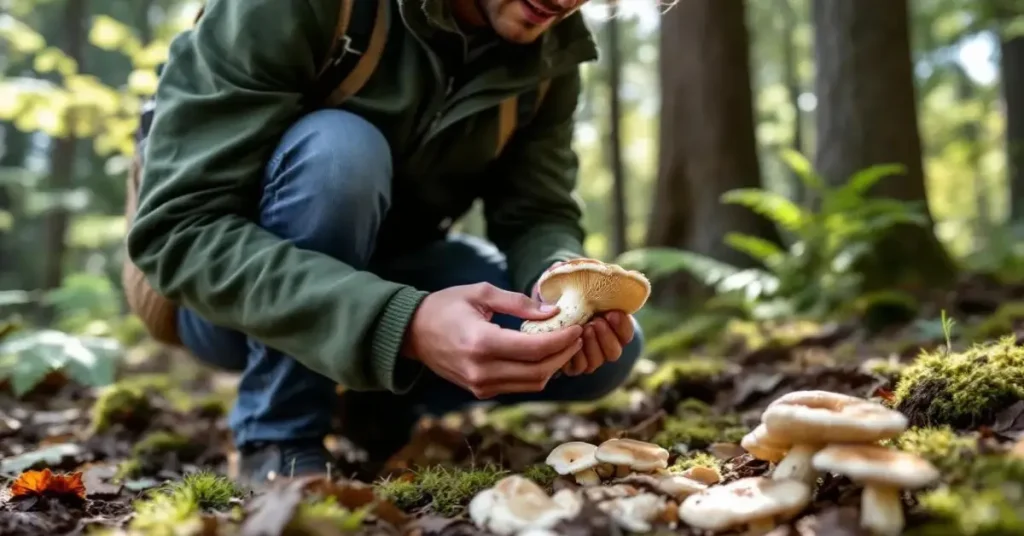
Poisonous mushrooms contain natural toxins from the moment they grow. These mushrooms contain toxic chemicals harmful to humans and animals, including the Death Cap (Amanita phalloides), the Autumn Skullcap (Galerina marginata), and the Fly Agaric (Amanita muscaria). Eating wild mushrooms can lead to severe illness or death, as cooking or boiling does not destroy many of these toxins.
| Bad (Spoiled) Mushrooms | Poisonous Mushrooms |
|---|---|
| Were once safe to eat | Are never safe to eat |
| Spoil because of bacteria and age | Contain natural toxins |
| May become slimy, moldy, or smell sour | Can look fresh and healthy |
| Usually found in old or poorly stored mushrooms | Commonly found among wild mushrooms |
| Can cause food poisoning | Can cause severe poisoning or even be life-threatening |
You should never try to identify wild mushrooms based on appearance alone. Some poisonous species closely resemble edible varieties and it is difficult to distinguish without expert knowledge. Don’t add wild mushrooms yourself at all.
For store-bought mushrooms, the decision is easier. You don’t need to worry about natural toxins. Instead, check for signs of spoilage such as slime, mold, mushy texture, dark discoloration, or a sour smell. If any of these signs are present, throw the mushrooms away.
One question I hear surprisingly often is, “Can cooking make poisonous or spoiled mushrooms safe?” The answer is no. Cooking won’t make poisonous wild mushrooms edible, and it won’t reverse spoilage in mushrooms that have already gone bad. When there’s any doubt about either situation, the safest choice is not to eat them.
Frequently Asked Questions
Can you cook mushrooms that are slightly slimy?
No. A slimy coating is one of the strongest signs that mushrooms have started to spoil. While some people believe cooking will make them safe, it’s not worth the risk. If mushrooms feel sticky or slippery instead of firm and dry, they should be discarded.
Can bad mushrooms make you sick?
Yes. Eating spoiled mushrooms can cause food poisoning. Common symptoms include nausea, vomiting, diarrhea, stomach cramps, and, in some cases, a mild fever. The risk is higher for young children, older adults, pregnant women, and people with weakened immune systems.
Are brown mushrooms always bad?
No. A few brown spots or light bruises are often caused by normal handling and don’t mean the mushrooms have spoiled. However, if the mushrooms are dark all over, feel slimy, smell sour, or have become mushy, they should be thrown away.
Can you wash slime off mushrooms and still eat them?
No. Washing removes dirt, but it doesn’t reverse spoilage. A slimy surface means bacteria have already started breaking down the mushrooms. Even if they look better after rinsing, they are no longer considered safe to eat.
How long do cooked mushrooms last in the refrigerator?
Cooked mushrooms are best eaten within 3 to 4 days when stored in an airtight container in the refrigerator. If they develop a sour smell, slimy texture, mold, or any unusual discoloration before then, discard them immediately.
Conclusion
Mushrooms don’t stay fresh for long, but they usually give clear warning signs before they become unsafe to eat. A quick check of their appearance, texture, and smell is often all it takes to decide whether they’re still good. Firm mushrooms with a fresh earthy smell and a dry surface are usually safe to cook, while slime, mold, mushiness, sour odors, and leaking liquid are signs that it’s time to throw them away.
Keep them in a paper bag, avoid excess moisture, and use them within a few days. It’s also important to remember that slightly older mushrooms aren’t always spoiled. Minor wrinkles or a few bruises may affect their appearance, but they can still be perfectly fine if they remain firm and smell fresh.
When you’re uncertain, trust your senses and don’t take unnecessary risks. Replacing a package of mushrooms is far less costly than dealing with food poisoning. If something looks, feels, or smells off, it’s always safer to choose a fresh batch.

Hi, I am Nazish Arif. I am a Food Scientist. On this Blog, I do share insights about Chestnut Mushrooms, Mushrooms Recipes, along with information of other mushrooms as well.